HVAC and Energy: How to Stay Cost Efficient
Keeping your home or business comfortable throughout the year is a priority for any property owner. However, heating and cooling can represent a significant portion of your energy bills. An efficient HVAC system not only ensures comfort but also helps you save money while reducing your environmental footprint. By understanding your system, scheduling proper maintenance, and implementing energy-conscious strategies, you can get the most out of your HVAC investment. This guide explores practical tips for staying cost-efficient with heating, ventilation, and cooling systems.
Understanding Your HVAC System
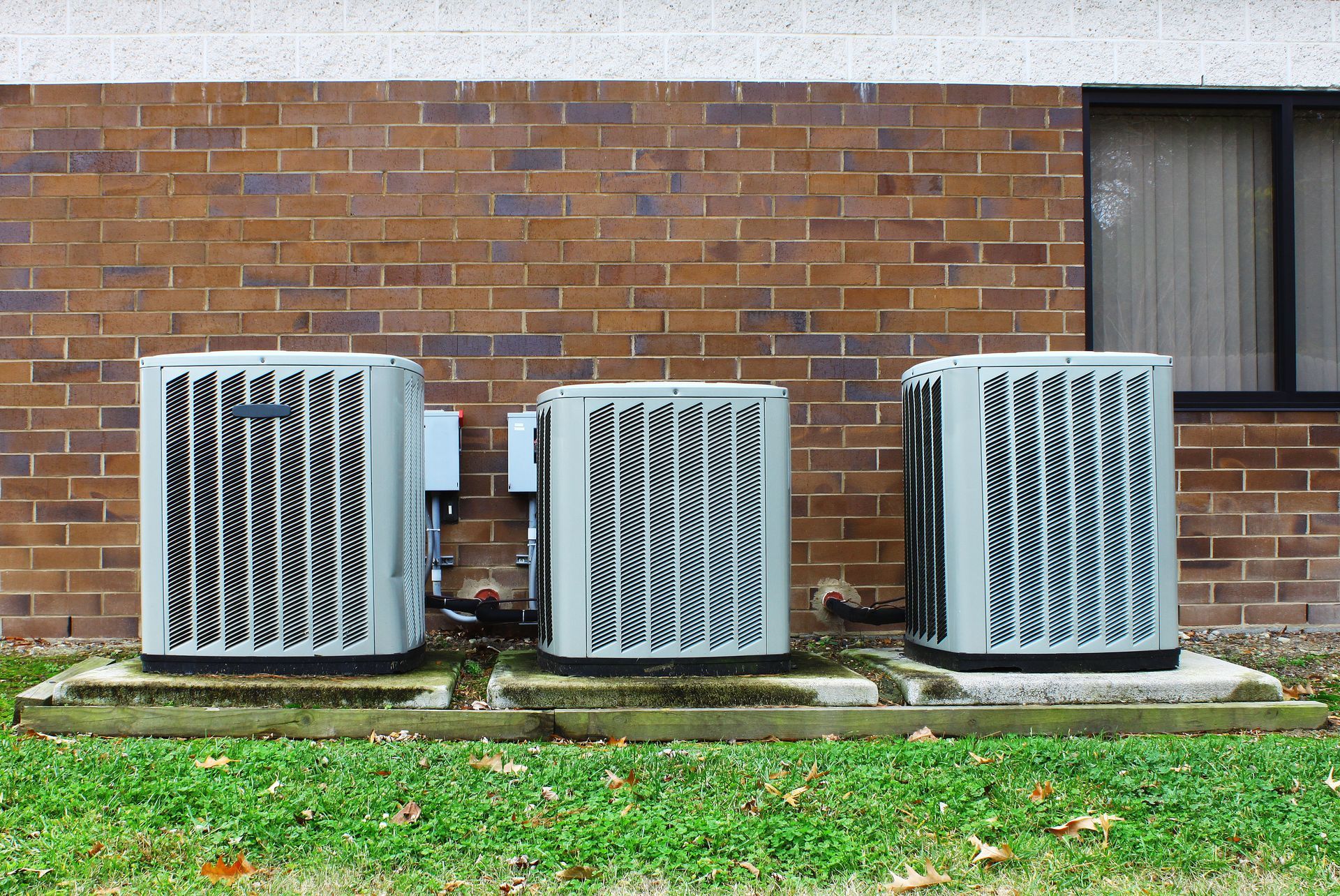
A properly functioning HVAC system is more than just a heating or cooling unit. It includes components such as furnaces, air conditioners, heat pumps, ventilation ducts, thermostats, and more. Each component plays a role in maintaining indoor air quality and comfort levels. Knowing how your system operates allows you to identify inefficiencies, prevent costly repairs, and improve energy performance.
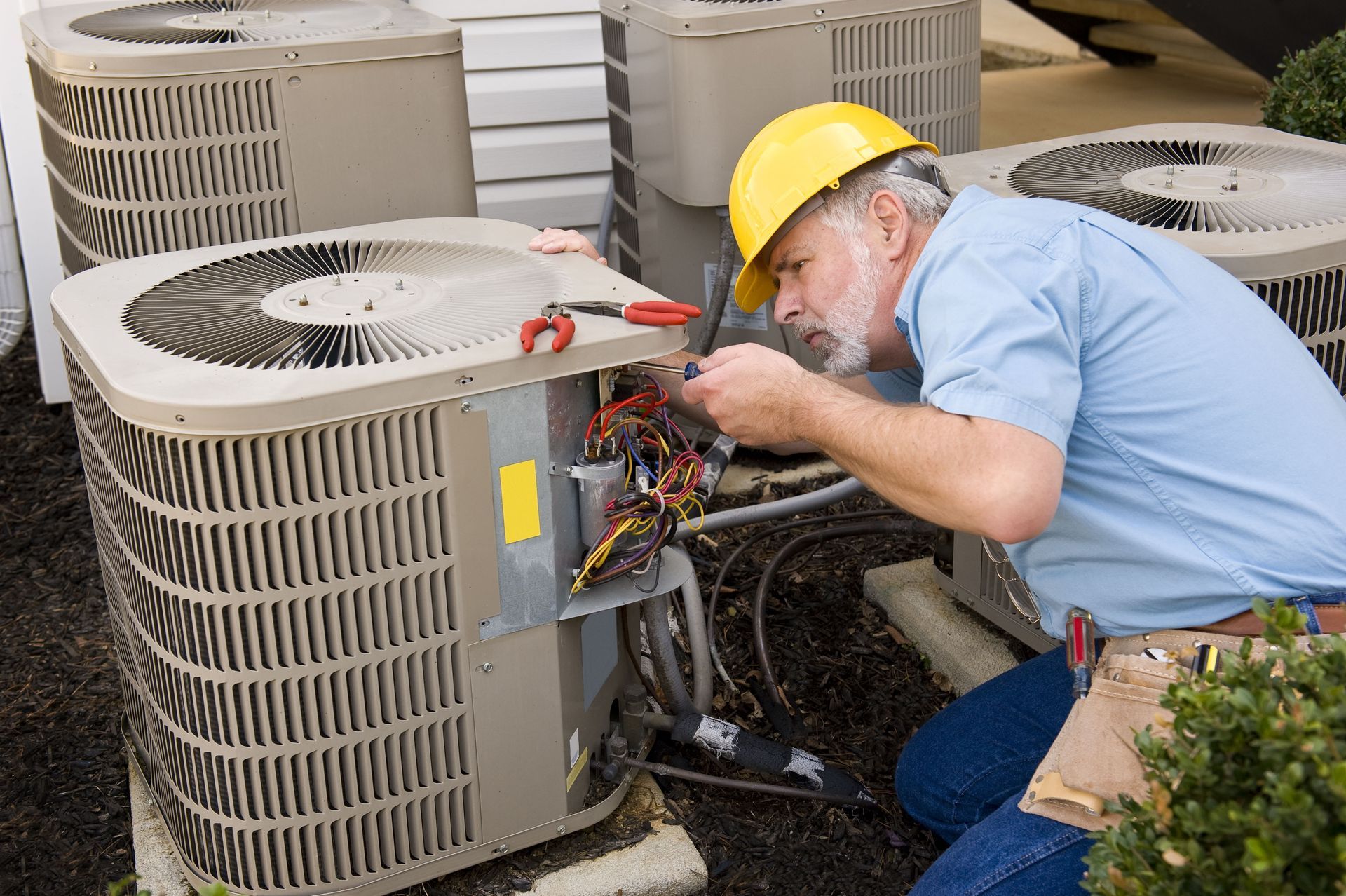
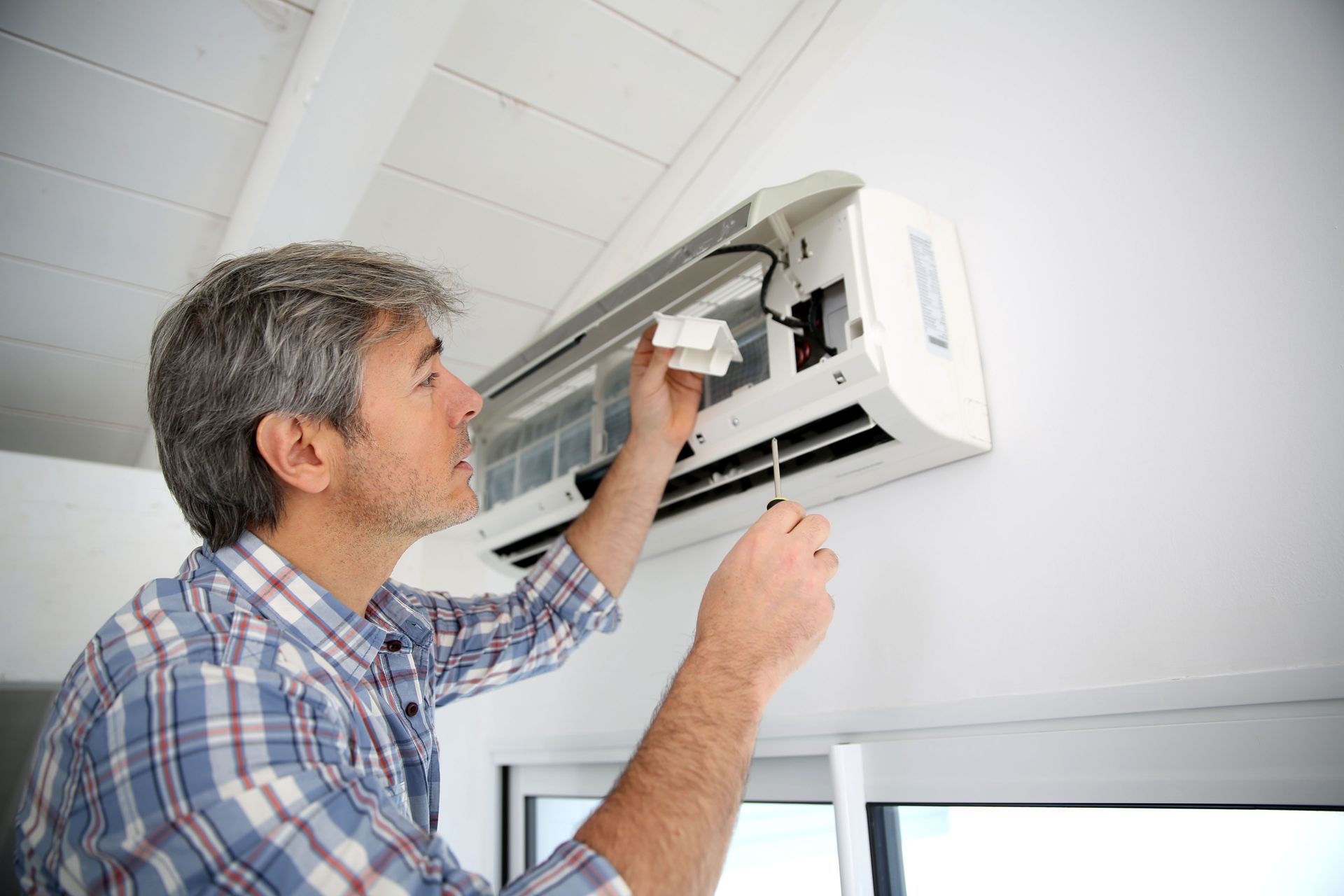
Routine maintenance is essential for optimal operation. HVAC services can inspect and clean critical components, including coils, filters, and ductwork, ensuring airflow remains unobstructed. Regularly checking thermostats and refrigerant levels helps your system run efficiently without overworking itself. A system that operates smoothly not only saves on energy but also extends the life of your equipment.
Understanding your system also involves knowing how seasonal changes affect performance. For instance, winter often demands higher furnace output, while summer requires efficient cooling cycles. Being aware of these patterns helps you plan maintenance and optimize energy usage throughout the year. Even minor adjustments in settings can have a meaningful impact on energy consumption over time.
Energy-Efficient Equipment and Upgrades
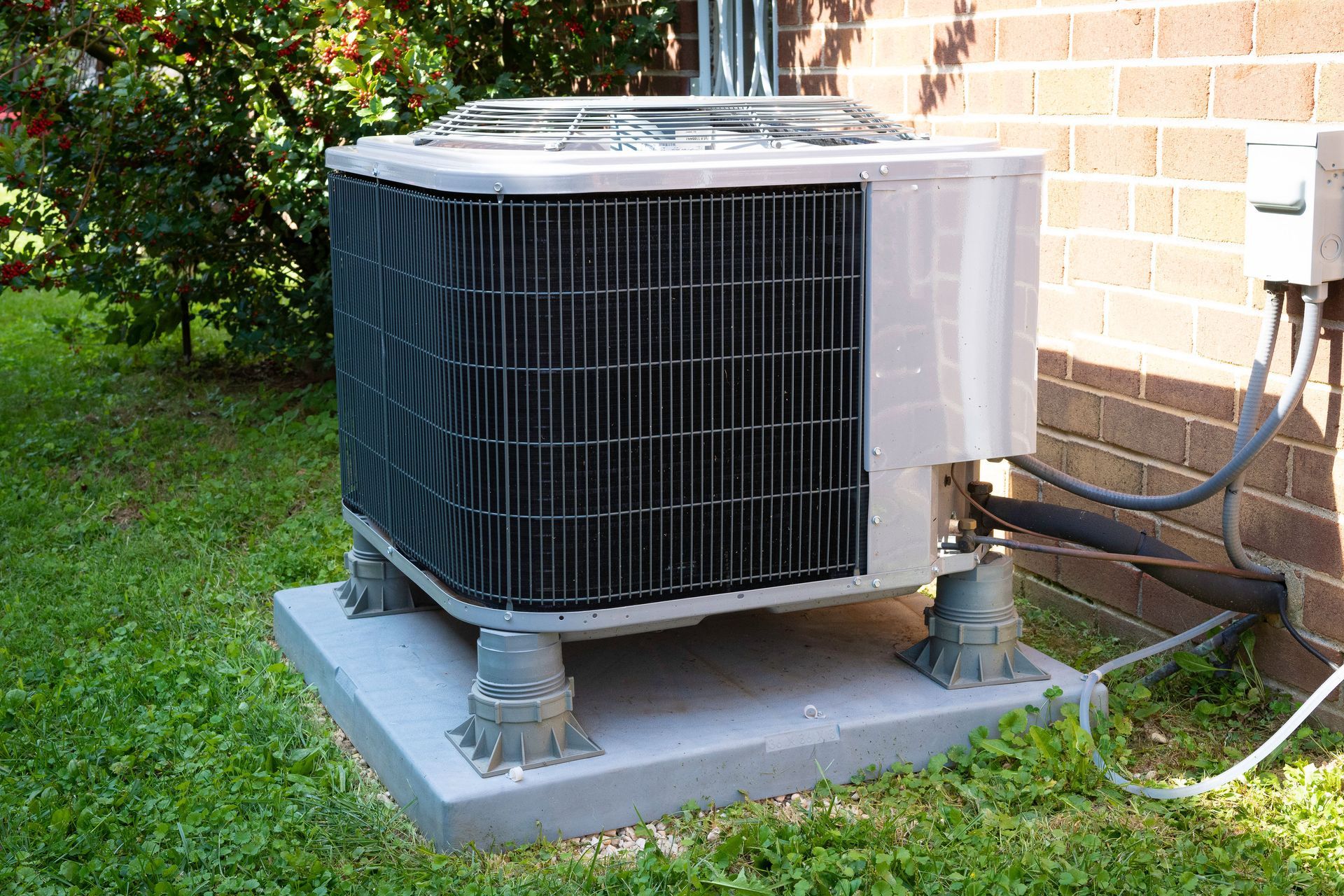
One of the most impactful ways to reduce energy bills is by upgrading to modern, energy-efficient equipment. High-efficiency furnaces, air conditioners, and heat pumps consume less electricity while delivering the same or better comfort. Energy Star-rated units are specifically designed to use less power, which can result in noticeable savings over time.
Smart thermostats are another effective solution. They allow you to schedule temperature changes throughout the day, ensuring you are not heating or cooling an empty building. Some models can learn your habits and automatically adjust settings for maximum efficiency. Additionally, zoning systems provide the ability to heat or cool specific areas independently, preventing energy waste in unused rooms. These types of upgrades, when combined with regular inspections from HVAC services, can dramatically improve efficiency.
According to Glenbrook, a properly sized HVAC system can save you up to 30% on your energy bills. Many homeowners and business owners either oversize or undersize their units, leading to excess energy consumption and premature wear. HVAC services can conduct a professional load calculation to determine the right size system for your space, helping you achieve optimal performance and cost savings. Investing in the right-sized equipment from the beginning eliminates recurring issues and improves the system's long-term reliability.
The Importance of Insulation and Airflow
Even the most efficient HVAC system cannot perform well if your home or business has poor insulation or restricted airflow. Heat naturally escapes during the winter and enters during the summer, which forces your system to work harder. Proper insulation in walls, attics, and crawl spaces can drastically reduce energy loss and help maintain a consistent indoor temperature.
Airflow is equally important. Blocked vents, closed registers, or dirty filters can strain your system, causing uneven heating or cooling and increasing energy use. Replacing air filters regularly, keeping vents unobstructed, and scheduling duct inspections can all improve airflow. HVAC services can assess ductwork for leaks or damage, which not only increases efficiency but also improves indoor air quality. Proper airflow and insulation together reduce energy consumption while enhancing comfort.
Another often-overlooked factor is humidity control. High humidity in summer makes indoor spaces feel warmer, causing air conditioners to run longer, while low humidity in winter can make heating less effective. By incorporating whole-home humidifiers or dehumidifiers and monitoring moisture levels, homeowners can maintain optimal indoor conditions without overtaxing their HVAC systems.
Routine Maintenance and Seasonal Inspections
Routine maintenance is a key factor in energy efficiency. Regular check-ups allow HVAC technicians to detect minor issues before they escalate into costly repairs. Seasonal inspections, usually scheduled in spring and fall, can include cleaning coils, checking refrigerant levels, inspecting electrical connections, lubricating moving parts, and testing the overall system.
Homeowners can also implement simple habits to support energy efficiency between professional visits. Closing blinds on hot days, using ceiling fans to circulate air, and adjusting thermostats for nighttime or absence periods all contribute to lower energy usage. By combining routine maintenance from HVAC services with thoughtful day-to-day habits, you can ensure consistent comfort and lower operating costs.
Seasonal preparation can also involve inspecting weatherstripping, checking for leaks around doors and windows, and ensuring vents are free from debris. These small steps reduce the workload on your HVAC system and keep energy consumption in check. Incorporating these habits into your regular maintenance schedule helps prevent avoidable inefficiencies and improves long-term system performance.
Cost-Saving Strategies and Incentives
There are numerous strategies and incentives designed to help you reduce energy expenses while upgrading your HVAC system. Many utility companies provide rebates for installing high-efficiency units, smart thermostats, or conducting energy audits. Government programs may also offer tax incentives for environmentally friendly upgrades.
Using these programs in combination with professional HVAC services allows you to make informed decisions about upgrades, ensuring you maximize savings while improving comfort. Additionally, simple changes such as sealing gaps around windows and doors, upgrading to energy-efficient lighting, and using energy-saving appliances can complement HVAC improvements and further reduce costs. Implementing a mix of professional guidance and smart household practices creates a holistic approach to energy efficiency that pays dividends year after year.
Choosing the Right HVAC Services
Selecting a qualified professional is essential for achieving long-term efficiency and comfort. Reputable HVAC services provide inspections, maintenance, repair, and replacement guidance to ensure your system is operating optimally. Experienced technicians can recommend upgrades, identify problems early, and help you avoid inefficient systems or costly mistakes.
The right HVAC professional will also help with system sizing, installation, and ongoing support. Proper installation is crucial because even the best equipment will underperform if not installed correctly. Working with licensed HVAC services ensures that your system operates safely, efficiently, and reliably. The combination of high-quality equipment, professional maintenance, and energy-conscious habits allows homeowners and business owners to enjoy comfort without overspending.
Additionally, many HVAC services now offer energy performance audits. These audits evaluate your home or business to determine where energy is being lost and provide actionable recommendations. They are an excellent tool for anyone looking to lower bills while improving overall system efficiency.
Efficient HVAC management is essential for controlling energy costs while maintaining a comfortable environment. Understanding your system, scheduling regular maintenance, investing in energy-efficient upgrades, and monitoring insulation and airflow are key strategies for maximizing savings. Seasonal inspections, professional guidance, and cost-saving programs further enhance your ability to reduce energy consumption. By being proactive and informed, you can extend the life of your system, reduce utility bills, and ensure a reliable, comfortable indoor environment year-round. Working with experienced HVAC services provides peace of mind and long-term value, making energy-efficient heating and cooling an attainable goal for every property owner.
Ready to lower your energy bills and keep your home comfortable year-round? Contact Trusted HVAC today for expert HVAC services and professional guidance tailored to your system's needs.
Share On: